

When Is It Time to Rebrand Your Hotel?
Five signs your hotel's identity may no longer reflect the experience you're offering.
Hotels evolve. Ownership changes, properties are renovated, guest expectations shift, and neighborhoods take on new identities. But while the physical experience of a hotel may change dramatically over time, its branding doesn't always keep pace.
A hotel's brand is more than its name, logo, or website. It's the personality of the property, the expectations it creates, and the impression guests carry with them long after checkout.
So how do you know when it's time for a change?
Here are five signs that it might be time to reconsider your hotel's brand identity.
1. Your Property Has Evolved, but Your Brand Hasn't
Perhaps you've recently renovated your guest rooms, redesigned your lobby, or introduced a new restaurant. Maybe what was once a modest roadside inn has evolved into a thoughtfully designed boutique hotel.
These investments can dramatically change the experience you're offering. But if your visual identity still reflects the property as it existed ten or twenty years ago, there's a disconnect between what guests expect and what they actually experience.
A rebrand can help bring the identity of the property in line with its current ambitions, ensuring that the experience begins long before a guest walks through the door.
2. You're Attracting the Wrong Guests
Every hotel appeals to a particular type of traveler, whether intentionally or not.
A couple looking for a romantic weekend getaway may be drawn to entirely different visual cues than a family planning a summer vacation. Likewise, a design-conscious traveler seeking a distinctive boutique experience may overlook a property whose branding feels generic or dated.
If your hotel is struggling to attract the guests you want, the problem may not be the property itself. It may be how you're presenting it.
Effective hotel branding communicates who a property is for, what makes it distinctive, and why a guest should choose it over the alternatives.
The goal isn't necessarily to appeal to everyone. It's to resonate with the right people.
3. Your Brand No Longer Reflects the Quality of the Experience
Imagine discovering a beautiful boutique hotel with thoughtfully designed interiors, exceptional hospitality, and a remarkable location—only to encounter a website and visual identity that feel completely disconnected from that experience.
It happens more often than you might think.
For many prospective guests, the brand is their first interaction with a property. Before they experience the service, step into the lobby, or appreciate the details of a beautifully designed room, they've already formed an impression.
When the quality of the branding doesn't match the quality of the property, you're asking potential guests to take a leap of faith.
A well-considered identity helps communicate the value of the experience before someone books a room.
4. Your Brand Has Become Inconsistent
Hotels have an extraordinary number of opportunities to communicate their identity.
Websites, signage, menus, key cards, stationery, in-room collateral, uniforms, merchandise, and social media all contribute to the experience.
Over time, these elements can become disconnected. New materials are created by different vendors, typography changes, colors drift, and the original creative direction becomes diluted.
What begins as a recognizable identity can gradually become a collection of unrelated design decisions.
A rebrand doesn't necessarily mean starting over. Sometimes it's an opportunity to establish a more cohesive visual system—one that gives a property the flexibility to evolve while maintaining a consistent personality across every touchpoint.
5. You're Entering a New Chapter
A change in ownership, a major renovation, an expansion, or a shift in market positioning can create a natural opportunity to reconsider a hotel's identity.
These moments often involve significant investments in architecture, interiors, amenities, and operations. Branding deserves a place in that conversation.
Ideally, brand development begins early enough to inform those decisions rather than simply decorating them afterward.
When a property's positioning, personality, visual identity, and physical experience are developed with a shared vision, the result is something much more cohesive.
And for an established hotel, that doesn't necessarily mean abandoning its past.
Sometimes the Best Way Forward Is to Look Back
One of the most interesting challenges in hospitality branding is finding the balance between honoring a property's history and preparing it for the future.
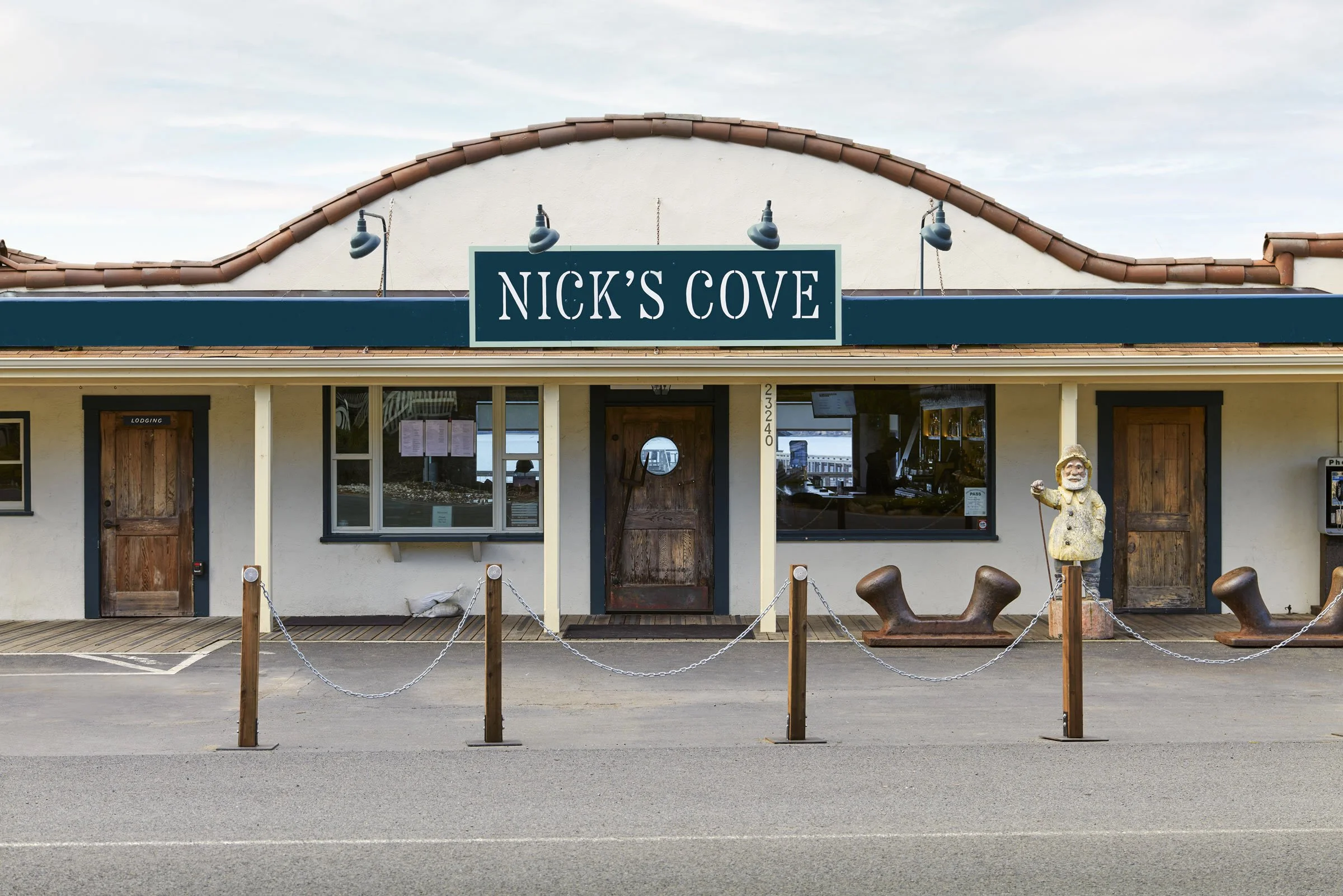
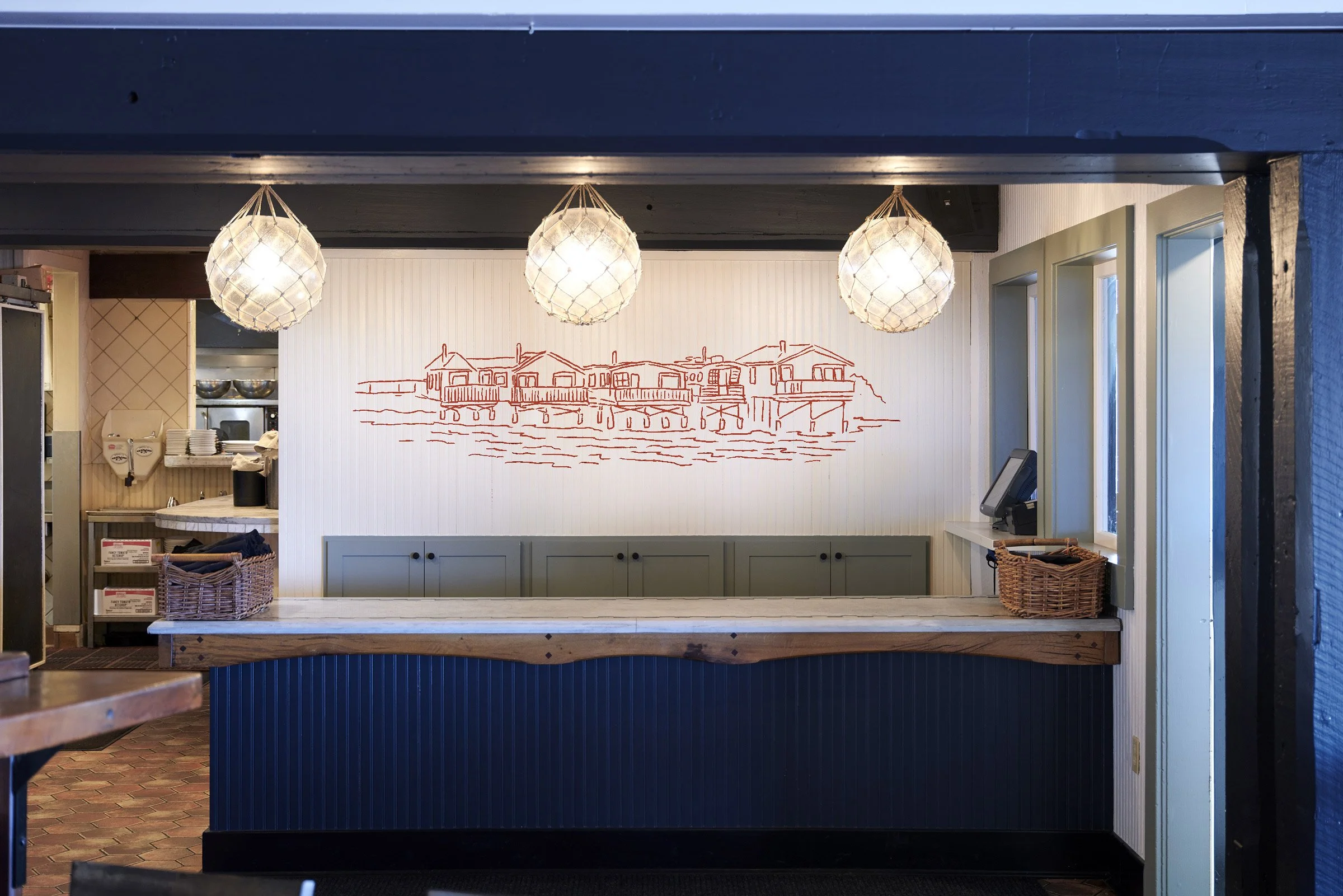
At Nick's Cove, a historic waterfront destination on California's Tomales Bay, the opportunity wasn't to erase nearly a century of character. It was to build upon what made the property special in the first place.
The resulting identity embraced the property's sense of place, heritage, and distinctive personality while introducing a more cohesive and contemporary brand experience.
That's an important distinction.
Not every hotel needs a completely new personality. Sometimes the most valuable thing a branding studio can do is recognize what's already there and find a more compelling way to communicate it.
A Rebrand Should Be About More Than Looking Different
Ultimately, the decision to rebrand shouldn't begin with whether you like your existing logo.
It should begin with larger questions:
Does our brand accurately represent the experience we're offering? Does it communicate what makes us different? Are we attracting the guests we want? And does our identity support where we want to take the property next?
If the answers suggest a disconnect, it may be time to reconsider how your hotel presents itself to the world.
Because the most successful hotel brands don't simply look good.
They give people a reason to stay—and something to remember.