

What Makes a Boutique Hotel Brand Memorable?
Why the best hotel brands are built around personality, a sense of place, and something guests can't find anywhere else.
There's no shortage of beautifully designed boutique hotels. Scroll through any travel publication or hospitality design account, and you'll find thoughtfully furnished rooms, beautiful materials, carefully curated artwork, and impeccably styled interiors. But as more properties embrace the same design trends, many are beginning to look and feel remarkably similar. Neutral color palettes, minimalist logos, restrained typography, and carefully considered interiors have become something of a formula for contemporary boutique hospitality.
There's nothing inherently wrong with these choices, of course. But when so many properties share a similar visual language, it becomes increasingly difficult to distinguish one from another. A hotel might be beautifully designed, receive wonderful reviews, and offer an exceptional guest experience, yet still struggle to establish a truly recognizable identity.
So what makes one hotel more memorable than another? We believe the answer has less to do with following design trends and more to do with creating a brand that has a genuine point of view.
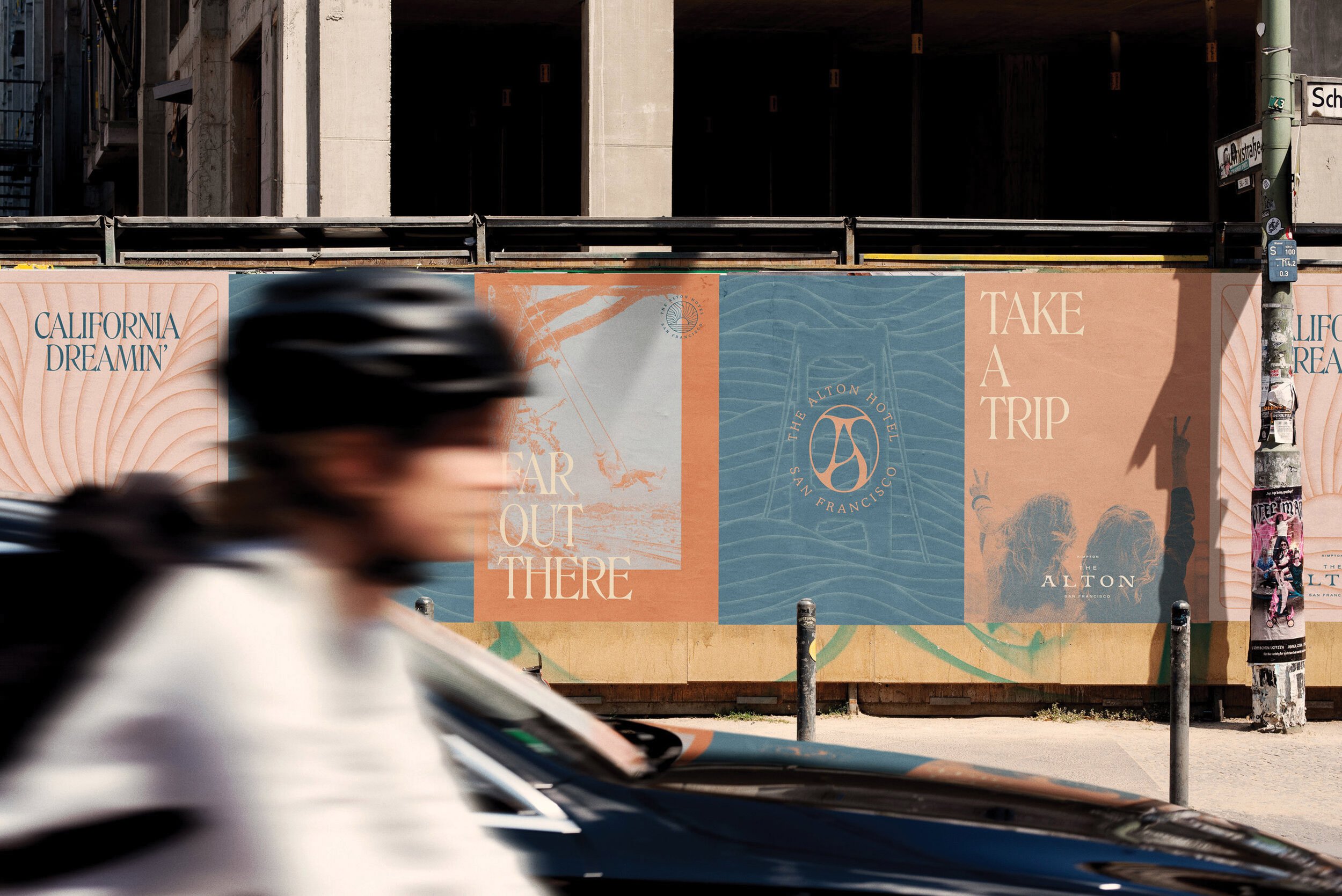
A Sense of Place Is More Powerful Than a Sense of Style
One of the greatest advantages independent hotels have over larger chains is their ability to embrace the characteristics that make them unique. Their location, architecture, history, neighborhood, and surrounding landscape can all contribute to an identity that simply couldn't exist anywhere else.
A mountain lodge in the Pacific Northwest shouldn't necessarily feel like a boutique hotel in Miami, just as a historic coastal inn shouldn't automatically adopt the same visual language as a newly developed urban property. Yet it's surprisingly easy to fall into the trap of designing around what's fashionable rather than what's authentic to a particular place.
The most compelling hotel brands begin by looking at what already makes a property special. Perhaps it's a particular architectural detail, a fascinating local history, or a connection to the surrounding community. These characteristics can provide the foundation for an identity that feels both distinctive and appropriate, influencing everything from the typography and color palette to the language used throughout the guest experience.
Rather than applying an aesthetic to a property, the goal is to develop something that feels as though it naturally belongs there. When the identity is rooted in a genuine sense of place, it becomes much more difficult to replicate, which is precisely what makes it valuable.
Personality Is What Makes a Brand Recognizable
If every hotel strives to be sophisticated, elevated, timeless, and refined, how does any one of them stand apart? These are certainly admirable qualities, but they're also broad enough to describe countless hospitality properties, and they rarely communicate much about what makes a particular experience different.
Some of the most memorable hotels embrace personalities that are playful, eccentric, nostalgic, adventurous, or even a little irreverent. Others may be understated and sophisticated, but express those qualities through a distinctive perspective rather than relying on familiar design conventions. What's important is that the personality feels authentic to the propertyand consistent with the experience it offers.
Consider the difference between a hotel positioning itself around "elevated coastal luxury" and one that embraces the familiar, easygoing charm of a seaside getaway. Both might offer beautiful accommodations and exceptional service, but the expectations they create are entirely different. One suggests exclusivity and refinement, while the other might evoke nostalgia, relaxation, and a sense of uncomplicated enjoyment.
A well-defined brand personality gives a hotel the freedom to communicate in a recognizable way. It helps guide decisions about photography, typography, illustration, messaging, and even the smaller details of the guest experience. More importantly, it creates an emotional connection that goes beyond simply presenting an attractive property.
The Best Brands Know Who They're For
Not every hotel needs to appeal to every traveler, and attempting to do so can actually make a property less compelling. A romantic hideaway for couples, a lively beachside inn for families, and a design-forward urban hotel may all be equally successful while offering entirely different experiences.
Strong hospitality branding begins with understanding the people a property hopes to attract and what those guests value.For some travelers, that might mean quiet sophistication, privacy, and highly personalized service. For others, it could bea welcoming atmosphere, opportunities for discovery, or a comfortable place where the entire family can relax.
These differences should inform much more than the imagery used on a website. They help establish how a property communicates, what its identity looks and feels like, and which aspects of the experience deserve the greatest emphasis. A family-oriented beachfront hotel, for example, might benefit from a more welcoming and playful visual language than a secluded adults-only retreat, even if both properties occupy similarly beautiful coastal settings.
When a brand has a clear understanding of its audience, it can make more intentional decisions about how it presents itself. Rather than trying to communicate every possible benefit to every potential guest, it can focus on the qualities that matter most to the people who will genuinely appreciate what the property has to offer.
History Can Be a Brand's Greatest Asset
There's a tendency in design to associate rebranding with modernization, as though the purpose of developing a new identity is simply to make something look newer. In hospitality, however, history can be one of the most compelling differentiators a property possesses, particularly when guests are increasingly drawn to places with an authentic story and a distinctive sense of character.
We encountered this while developing the brand identity for Nick's Cove, a historic waterfront destination along California's Tomales Bay. With nearly a century of history, a remarkable coastal setting, and an unmistakable personality, Nick's Cove already possessed something that many newly developed hospitality concepts spend years trying to establish: a genuine story and a strong connection to its surroundings.
Our objective wasn't to reinvent that story or transform the property into something it wasn't. Instead, we wanted to build upon the qualities that had made Nick's Cove special for generations, developing an identity that embraced its nostalgic charm and unique setting while introducing greater cohesion and flexibility across the brand experience.
Projects like Nick's Cove reinforce the importance of understanding what a property already has before deciding what needs to change. A thoughtful rebrand doesn't necessarily require abandoning the past in favor of something contemporary. In many cases, the most effective approach is to recognize the qualities that have always made a place distinctive and find a more compelling way to communicate them to a new generation of guests.
A Great Brand Lives Beyond the Logo
A hotel's logo might be the most recognizable part of its visual identity, but it's only one element of a much larger experience. From the moment someone first encounters a property online to the time they check out, there are countless opportunities for a hotel to express its personality and reinforce what makes it distinctive.
Think about the website a guest visits before making a reservation, the signage that welcomes them upon arrival, the key card handed over at check-in, or the menu they encounter at breakfast. Even seemingly insignificant details, such as stationery, in-room materials, or a T-shirt purchased as a souvenir, can contribute to the overall impression a guest takes away.
This is where a thoughtfully developed visual identity becomes especially valuable. Rather than expecting a logo to carry the entire brand, a comprehensive system provides a collection of complementary elements, including typography, color, illustration, patterns, photography, and graphic details. These elements can be combined in different ways to create variety while maintaining a recognizable sense of consistency.
The goal isn't to place a logo on every available surface or make each touchpoint look identical. It's to create a visual language that feels cohesive enough to be recognizable and flexible enough to work naturally across the many different environments in which a hotel communicates.
When this is done well, guests may not consciously notice the consistency of the branding, but they'll experience it. The individual details feel connected, and together they reinforce a more complete impression of the property.
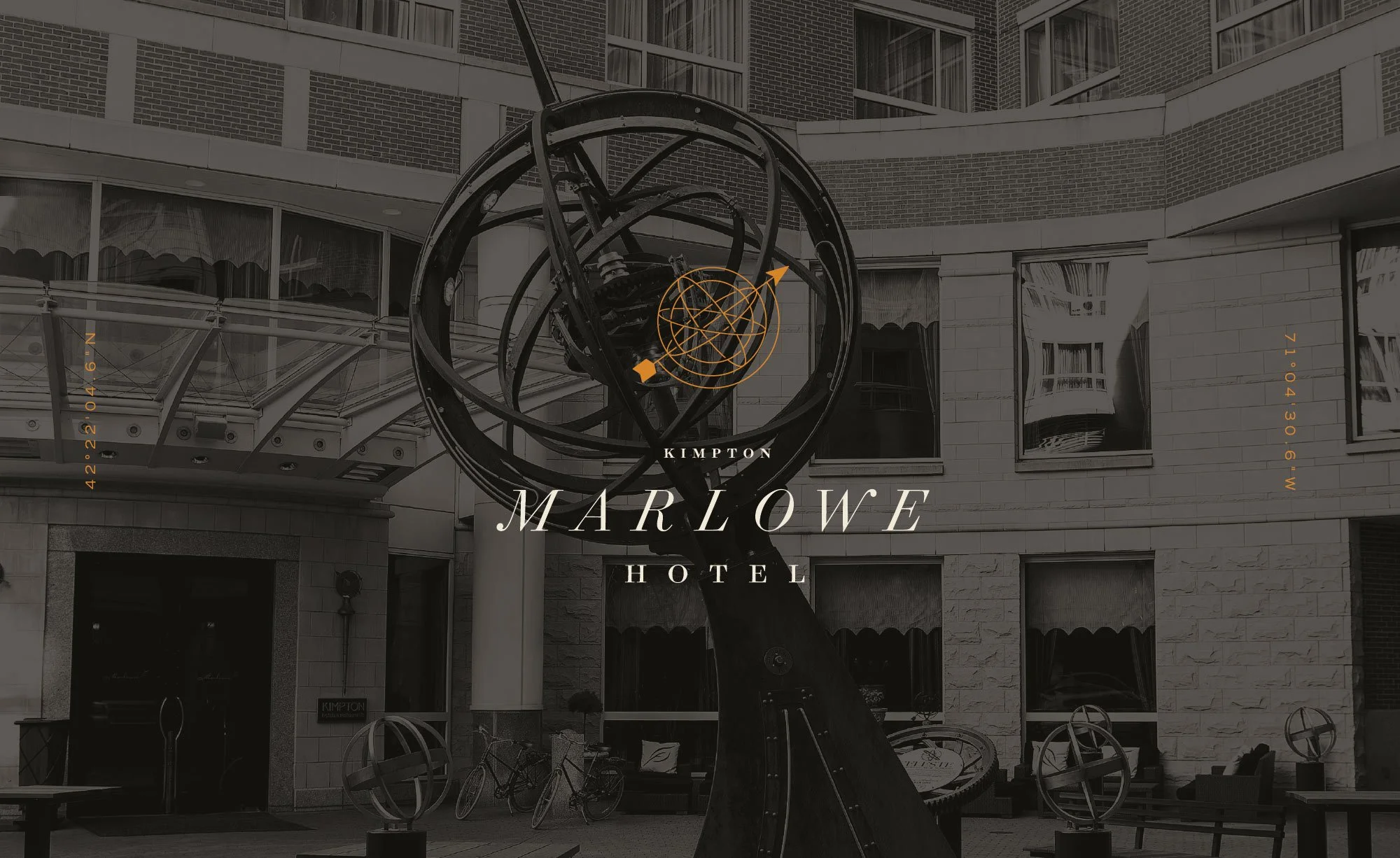
Being Memorable Is Better Than Being Everything to Everyone
The hospitality industry is filled with remarkable properties offering beautiful accommodations, thoughtful interiors, exceptional restaurants, and increasingly sophisticated amenities. As these qualities become more common, however, they also become less effective as differentiators on their own.
What makes a hotel truly memorable is often the combination of qualities that can't be easily reproduced elsewhere: its personality, its connection to a particular place, the people it attracts, and the way its identity comes to life throughout the experience.
For independent hotels, this represents an enormous opportunity. Unlike standardized hospitality brands, they often have the freedom to embrace unusual details, express a more individual personality, and develop an identity that feels genuinely connected to their surroundings. Those qualities can become meaningful advantages when they're recognized and communicated intentionally.
Ultimately, the goal of boutique hotel branding shouldn't be to create something that looks like every other successful hotel. It should be to understand what makes a particular property worth visiting and develop an identity that expresses those qualities in a distinctive and memorable way.
The result is more than a beautiful logo or a cohesive collection of design materials. It's a brand that feels inseparable from the place itself, one that guests recognize, connect with, and remember long after their stay.